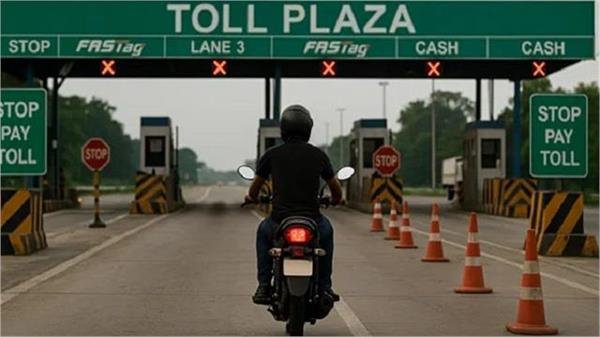
In India, have you ever noticed that while cars, buses, or trucks stand in long queues at toll plazas, bikes and scooters are allowed to pass through without stopping? This permission is not just for convenience but also due to legal reasons. In fact, in India, two-wheelers are exempt from paying toll taxes on national highways.
The National Highways Fee (Determination of Rates and Collection) Rules, 2008, under rule 4(4), exempt two-wheelers and three-wheeler vehicles from paying toll on national highways. This means that bike and scooter owners are not required to pay any toll at any toll plaza.
Toll taxes are imposed to cover the expenses of road construction, maintenance, and upkeep. However, lightweight vehicles like bicycles and scooters create minimal pressure on roads and cause minimal damage. Therefore, the government does not consider it necessary to impose tolls on them.
In India, two-wheelers are predominantly owned by middle and lower income individuals. Imposing tolls on these vehicles would create an unnecessary burden on daily commuters. If these vehicles were subjected to toll collection, it would adversely affect millions of daily travelers.
If every biker had to stop at toll booths, it would lead to significant traffic congestion. Additionally, imposing a small toll charge on a large number of cyclists would generate higher costs than benefits for the government.
Road tax is collected during the registration of bikes and scooters to cover the cost of using public roads and highways. Therefore, there is no need for toll taxes in the future. So next time you ride your bike through a toll plaza without stopping, remember that it is not just a convenience but a legally provided exemption.




Deixe um comentário