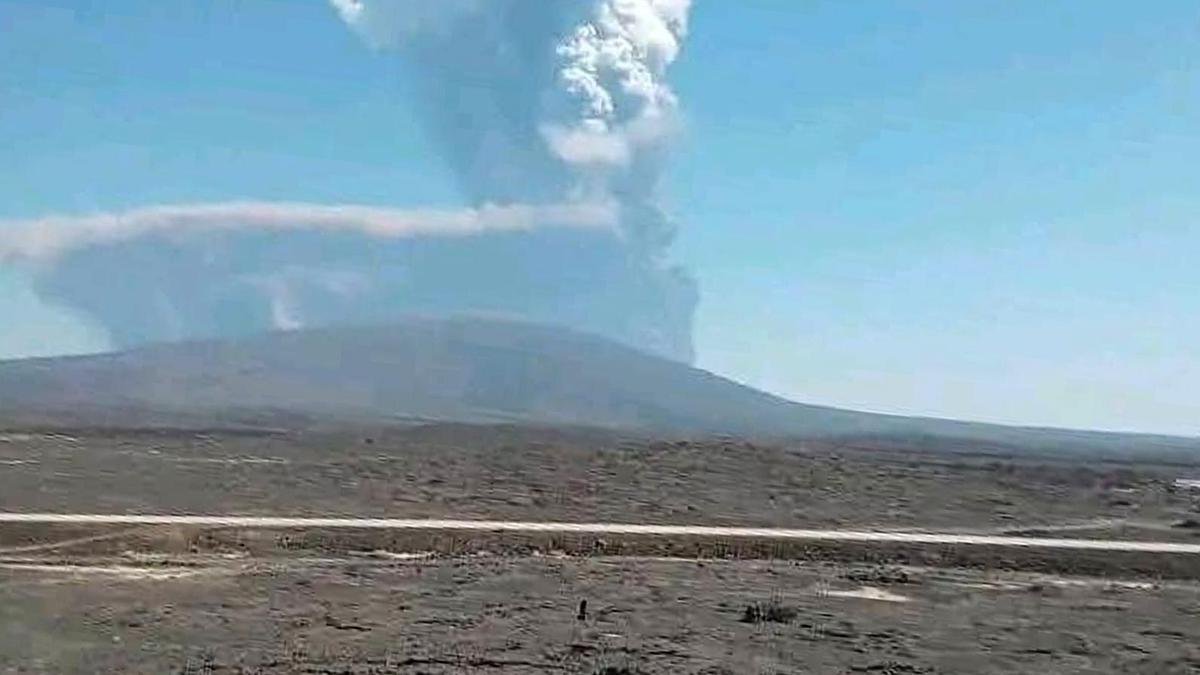
The recent eruption of the Hayli Gubbi volcano in Ethiopia has raised concerns about flight safety due to the spread of volcanic ash. The Director General of Civil Aviation in India issued warnings to airlines following the eruption, which was the first in 12,000 years. The ash from the volcano traveled across the Red Sea towards Yemen, Oman, and even Iran, reaching Indian airspace shortly after. The volcanic ash, containing harmful components like sulphur dioxide and glass particles, posed a threat to aircraft flying through the affected regions.
The impact of volcanic ash on aircraft is significant, particularly on jet engines. When volcanic ash enters the engine, it can melt and form a glassy deposit on crucial parts, leading to power loss or engine shutdown. To mitigate the risks, the DGCA advised airlines to avoid the affected altitudes and regions and report any signs of engine or cabin issues related to ash exposure. Airports were instructed to inspect runways for contamination and take necessary measures to ensure safe operations.
As a result of the volcanic ash threat, several flights were canceled, including those by Air India and Akasa, affecting routes to and from various destinations. The dangers of flying through volcanic ash were highlighted by incidents like the British Airways flight in 1982 and the KLM flight in 1989, where engine failures due to ash exposure put passengers and crew at risk. Engine damage from volcanic ash can lead to costly repairs and jeopardize flight safety, making it crucial for airlines to heed advisories and take precautions during volcanic eruptions.





Deixe um comentário