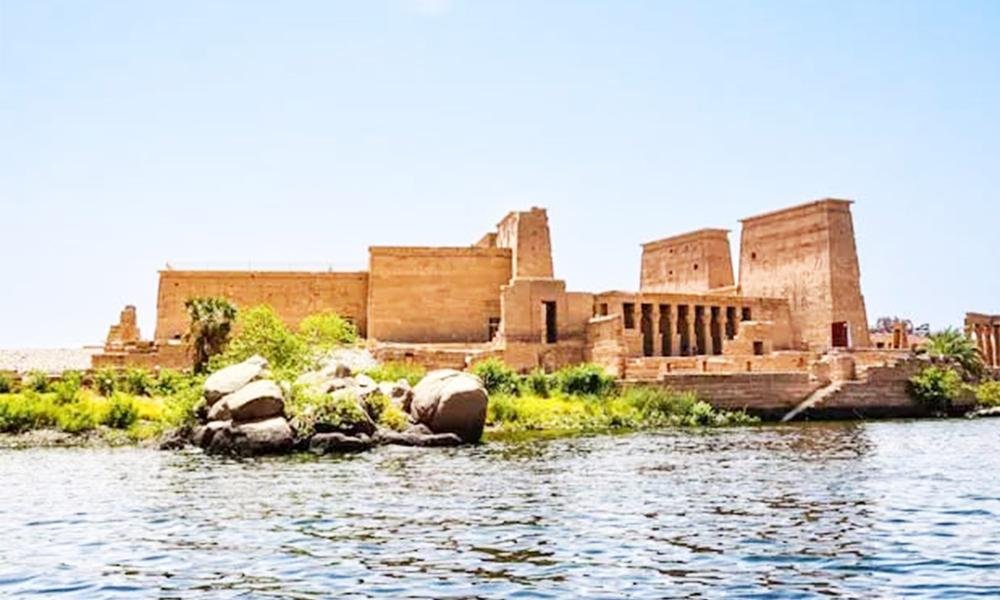
The real beneficiaries of the Nile River, which sustained millions of lives by providing shelter along its banks, are ordinary people. Their simple joys, prayers, and struggles for livelihood are the true history of the Nile.
The enchanting views of Isna village during springtime are a sight to behold, with the echoes of festive celebrations heard everywhere. Children and adults alike partake in the festivities, immersing themselves in the village’s traditions.
The distribution of charity during the Prophet’s birthday in this land marks a grand celebration, where locals come together to share meals prepared with love. We also joined in the festive spirit, enjoying Arabian flavors amid the Prophet’s birthday aura.
Every night, the Prophet’s preachings echo throughout the village, touching the hearts of believers and filling them with a sense of devotion.
We have been guests in this village for three days now, wandering along the Nile River banks and enjoying the warm hospitality of the locals. The villagers, who fear the flooding waters and cherish the fertile soil, welcomed us with open arms.
The observation points along the Nile River, offering majestic views of the surrounding pyramids from afar, demonstrate how the Egyptians harnessed the river for their benefit. The grand temples and royal tomb sanctuaries constructed along the riverbanks stand as testament to their powerful civilization.
The ancient agricultural practices of Egypt, reliant on the annual flooding of the Nile River, reflect the deep connection between the people and the river. Emmer wheat and barley were their staple crops, sustaining their agricultural society.
Their agricultural calendar, revolving around the Akhet (flooding), Peret (planting), and Shemu (harvest) seasons, exemplifies their meticulous farming practices.





Deixe um comentário